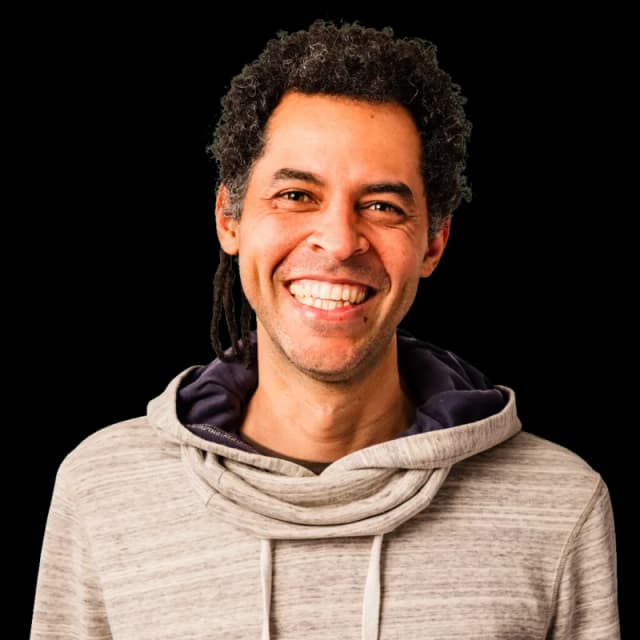


Sérgio Luciano
An uncommon combination
I understand how organizations work (and where they get stuck), develop applications and automations to improve processes and productivity, and train people to communicate with more awareness and listen with more quality

4 lenses
I usually combine more than one on the same challenge, because change nobody adopts isn't change
What isn't said
I help people listen to what isn't said, because that's almost always what matters most
Organizational systems
I map organizational systems and find where change actually happens
Where time and money leak
I find where time and money leak and structure what needs to change
Applications and integrations
I develop applications and integrations that solve real operational problems, from scratch or on top of what's already there
Organizations stall less from missing tools than from misread problems: what never enters the room, processes that only exist on slides, automation the floor never picks up. That's where my work starts: understanding what "wasting time" means for whoever lives the routine, before redesigning flow or writing code.
Twenty years across warehouse, facilitation, and systems taught me one move: follow the thread to the root, translate between operators and decision-makers, and deliver work that closes the loop, not just the deck.
Portfolio highlights
Selected projects and deliveries that show the mix of people, process, and technology
How I work
Four phases: understand, map, choose, transfer. From what the routine means to what keeps running afterward. I'm a generalist on purpose, useful when the challenge needs integrated perspectives, not a single label
- Phase A
Understand…
what the problem means for whoever lives the day-to-day, for example what "wasting time" means for that person.
- Phase B
Map…
the thread to dependencies, friction, and what never makes the notes, without closing the diagnosis on a slide.
- Phase C
Choose…
process, product, facilitation, or code: what daily work can sustain, not passing trend.
- Phase D
Transfer…
clear flow, stable tools, and autonomy so the team can sustain the change on their own.
The final test is change that feels like improvement, not threat.